
Statewide North Carolina crawl space specialists
Crawl Space Repair & Encapsulation in North Carolina
Crawl space moisture control, encapsulation, drainage and structural repair solutions for homeowners across North Carolina.
- Free crawl space inspection
- Moisture and water control
- Encapsulation and dehumidification
- Floor and structural support repair
Common Crawl Space Problems We See in North Carolina Homes
Most calls start with something a homeowner noticed upstairs — a musty smell, a soft floor, or humidity that never drops. The cause is usually under the house.
Standing Water
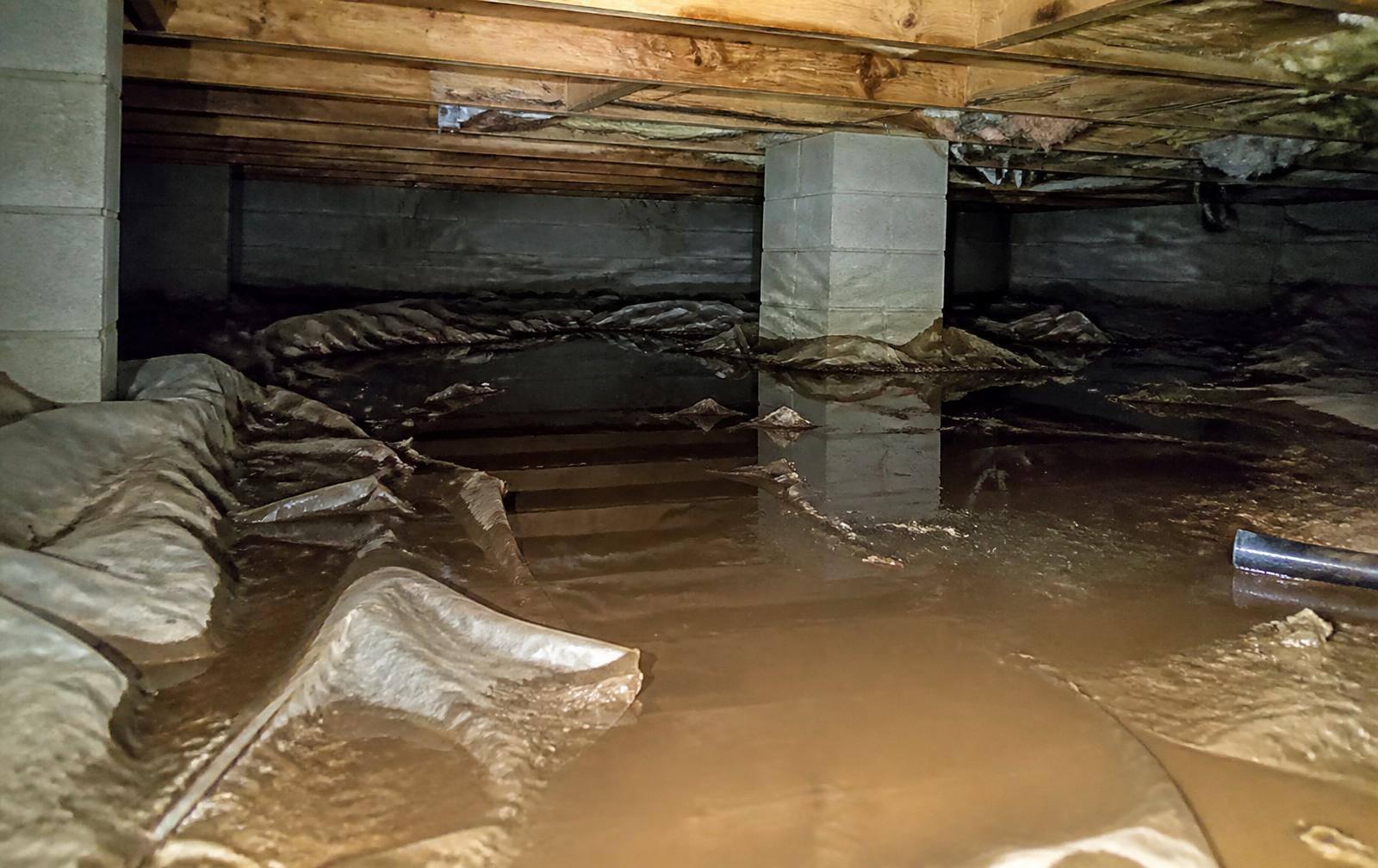
Water pooling on the ground after storms or from groundwater moving under the home.
Learn moreHigh Humidity
Damp, heavy air under the house — common through long Carolina summers.
Learn moreCrawl Space Mold
Surface growth on joists, subfloor and insulation where moisture stays high.
Learn moreSagging Floors
Floors that feel soft, bouncy or uneven above the crawl space.
Learn moreWood Damage
Darkened, soft or deteriorating joists, beams, sills and subfloor.
Learn moreMusty Odors
Damp smells reaching living space through floors, ducts and openings.
Learn moreDamaged Vapor Barrier
Torn, thin or displaced plastic leaving bare soil exposed under the home.
Learn more
Crawl Space Repair Services
One crew, one plan: address the water, cover the ground, control the humidity and repair the wood that has already suffered.
Crawl Space Encapsulation
Seal the ground and manage humidity so the space under your home stays dry.
Learn moreCrawl Space Repair
Repair moisture damage, failed barriers, poor drainage and wood deterioration.
Learn moreVapor Barrier Installation
Cover exposed soil to slow ground moisture moving up into your floor system.
Learn moreWaterproofing & Drainage
Stop water entry, move water away and keep standing water from returning.
Learn moreSump Pump Installation
Collect and discharge water that reaches the crawl space during heavy rain.
Learn moreCrawl Space Dehumidifiers
Hold humidity at a reasonable level in a sealed crawl space year-round.
Learn moreStructural Repair
Address damaged joists, weakened beams and inadequate support posts.
Learn moreSagging Floor Repair
Investigate soft, bouncy or uneven floors starting from the crawl space.
Learn more
Why North Carolina Crawl Spaces Develop Moisture Problems
North Carolina spends months of the year with warm, humid outdoor air. When that air moves through crawl space vents and meets cooler surfaces underneath a conditioned home, moisture condenses on framing, ductwork and cool block walls. Add a dirt floor that releases moisture continuously and the crawl space stays damp long after the weather dries out.
Conditions are not the same statewide, which is why we treat each region differently. On the coast and in eastern North Carolina, high rainfall totals and a shallow water table push water into crawl spaces directly. In the Piedmont, clay-heavy soils shed water slowly and hold it near foundations. In the mountains, hillside runoff arrives fast and from one side of the house.
The fix follows the cause. Water entry is a drainage problem. Ground moisture is a vapor barrier problem. Humid air in a sealed space is a dehumidification problem. Damaged framing is a structural repair.
What Crawl Space Encapsulation Actually Involves
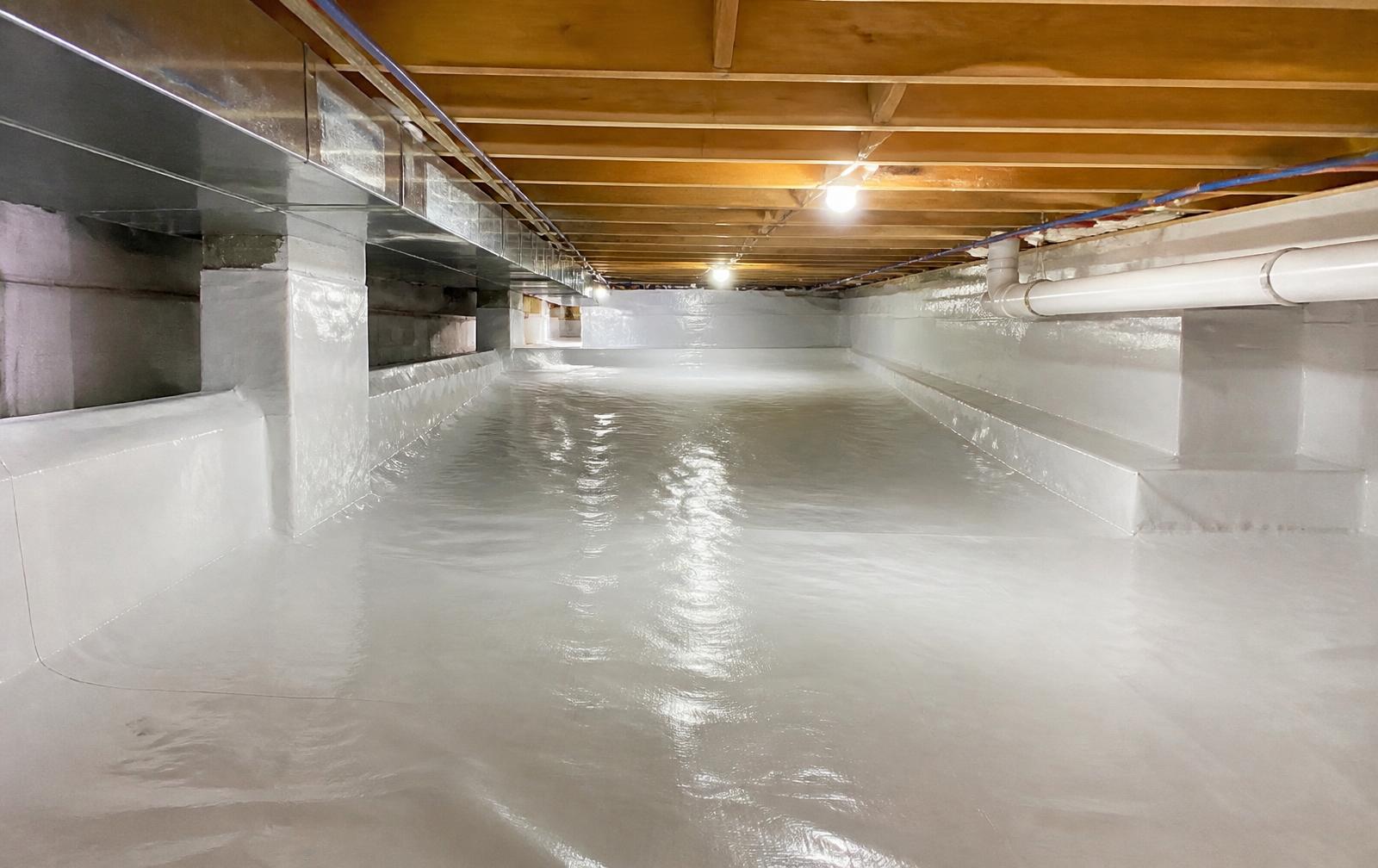
Encapsulation is more than plastic on the ground. A complete sealed crawl space usually includes a heavy-duty liner across the soil, coverage carried up the foundation walls where appropriate, sealed seams and penetrations, attention to vents and access doors, and humidity control sized for the space.
Encapsulation alone does not fix every problem. If water is actively entering, drainage and a sump pump come first. If joists or beams have already deteriorated, the framing is repaired before the space is sealed. Sealing a wet crawl space without solving the water simply hides it.
Read more about encapsulation or compare it with a basic vapor barrier.
Crawl Space Encapsulation Cost in North Carolina
Transparent ranges, not phone quotes. Every crawl space is different, so final pricing follows an on-site inspection.
$5,000 – $7,500
Typical range for many North Carolina crawl space encapsulation projects with a full liner system and humidity control.
$7,500 – $11,000+
More complete systems involving drainage, a sump pump, dehumidification, mold treatment or structural repairs.
Difficult access, coastal water conditions, heavy drainage needs and structural repairs push projects higher. See the full crawl space encapsulation cost breakdown.
North Carolina Service Areas
We work statewide from the coast to the mountains, with dedicated coverage in these markets.
Wilmington, NC
Coastal / Eastern North Carolina
Coastal humidity, heavy rainfall and shallow groundwater drive crawl space moisture.
Jacksonville, NC
Coastal / Eastern North Carolina
Flat lots and sandy-to-loamy soils that hold water after tropical downpours.
Greenville, NC
Coastal / Eastern North Carolina
Very flat inner Coastal Plain terrain where water sits instead of draining away.
Fayetteville, NC
Piedmont
Humid summers, older ranch housing stock and thin or missing vapor barriers.
Greensboro, NC
Piedmont
Clay-heavy Piedmont soils that shed water slowly toward foundations.
Winston-Salem, NC
Piedmont
Older homes with low, tight crawl spaces and dated moisture control.
Asheville, NC
Western North Carolina
Mountain slopes, hillside runoff and awkward crawl space access.
How It Works
A simple three-step process from first contact to clear repair options.
- 1
Tell Us What You Are Seeing
Submit the short form with your ZIP code and a quick description of the problem.
- 2
Inspect the Crawl Space
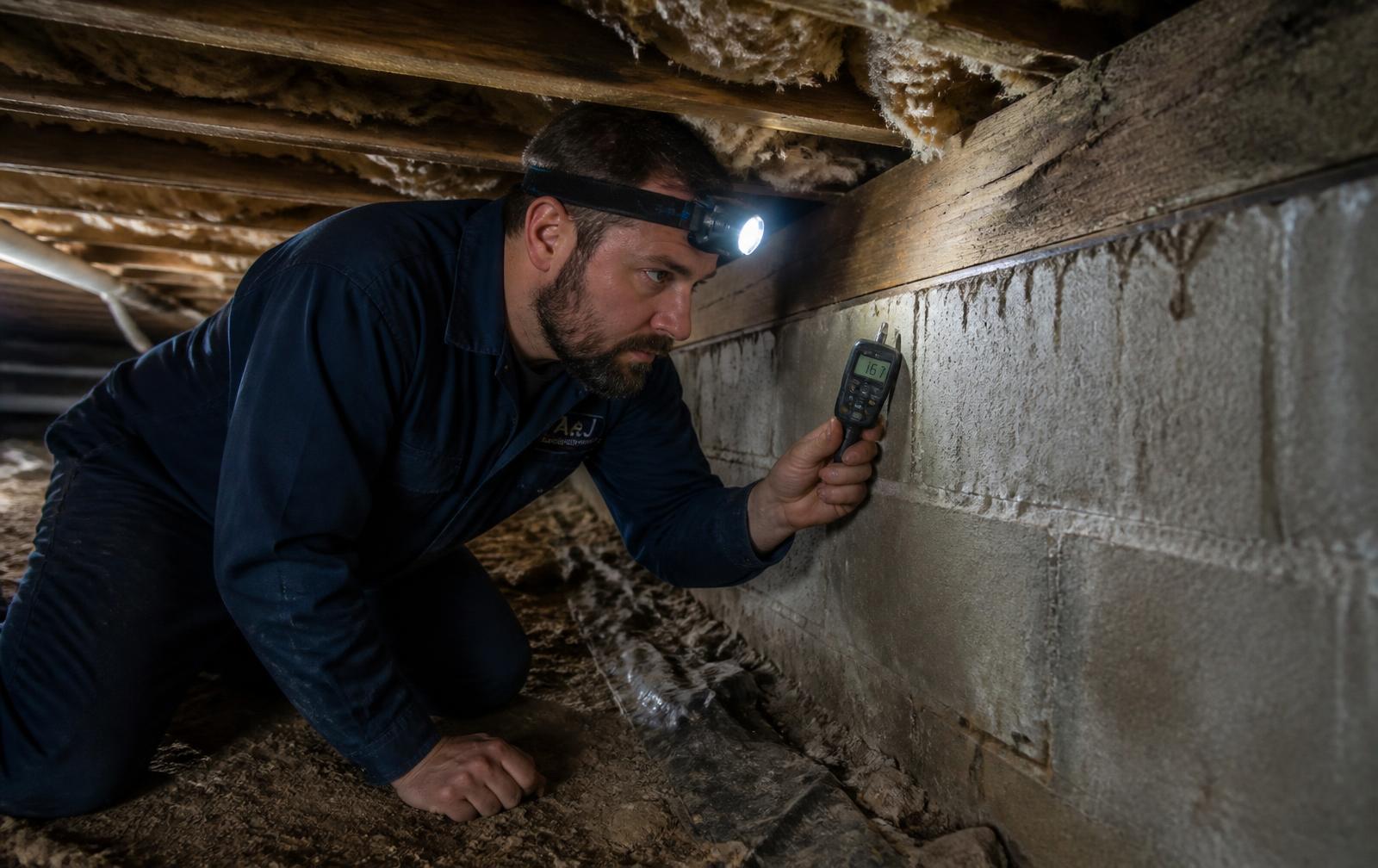
We review visible moisture, standing water, the vapor barrier, wood condition and structural concerns.
- 3
Review Repair Options
You receive recommended next steps and pricing based on the actual conditions under your home.
Crawl Space Questions North Carolina Homeowners Ask
How much does crawl space encapsulation cost in North Carolina?
Many encapsulation projects in North Carolina fall roughly in the $5,000–$7,500 range. More complete systems that include drainage, a sump pump, dehumidification, mold treatment or structural repairs may reach approximately $7,500–$11,000 or more. An on-site inspection is needed for accurate pricing.
Is crawl space encapsulation worth it?
It is usually worth it when the crawl space has ongoing moisture problems: exposed soil, high humidity, condensation or damp wood. Encapsulation is less useful on its own if active water entry or structural damage has not been addressed first.
What causes water under a house?
Common causes include surface water running toward the foundation, downspouts discharging next to the house, grading that slopes inward, shallow groundwater, plumbing leaks and blocked or missing drainage.
Does my crawl space need a dehumidifier?
A sealed crawl space frequently needs one to keep humidity in a reasonable range through humid Carolina summers. A dehumidifier is not a substitute for stopping water entry or covering exposed soil.
What is the difference between a vapor barrier and full encapsulation?
A vapor barrier covers the ground to slow soil moisture. Full encapsulation extends coverage up the foundation walls, seals seams and penetrations, and pairs the liner with humidity control and drainage where needed.
How do I stop water from entering my crawl space?
Start outside: extend downspouts, correct grading and manage runoff. Inside, an interior drain line and a sump pump collect and discharge water that still reaches the crawl space.
What causes sagging floors?
Possible causes include moisture-damaged or rotted joists, weakened beams, missing or undersized support posts, footings that have settled, and spans that were never adequately supported.
Can crawl space moisture damage floor joists?
Sustained high moisture can support decay organisms and surface growth on framing. Over time that can soften wood and reduce the strength of joists, beams and subfloor.
Do I need a sump pump?
A sump pump makes sense when water reaches the crawl space despite exterior corrections, or when groundwater rises during heavy rain. Homes that only have humidity issues often do not need one.
How long does crawl space encapsulation take?
Many residential projects are completed in one to three working days. Drainage, mold treatment or structural work extends the schedule.
Request a Free Crawl Space Inspection
Send a few details about what you are seeing under your home and we will schedule a look at the crawl space. Pricing follows the inspection — not a phone estimate.
- • Free, no-obligation crawl space inspection
- • Recommendations based on the actual conditions we find
- • Written pricing for the work you decide to move forward with
Send the form and we will follow up to schedule your crawl space inspection.